
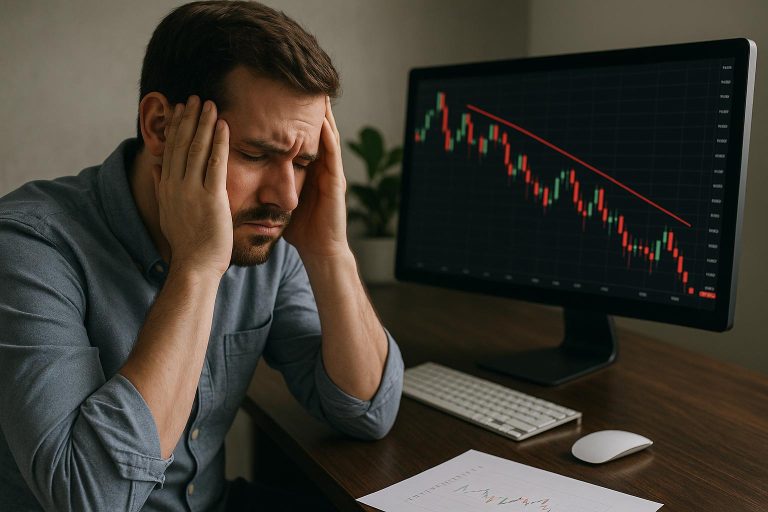
Understanding When Not to Take a Trade
Making decisions on when not to engage in trading activities is as pivotal to achieving success as pinpointing the right moments to execute trades. This critical decision-making process hinges on a thorough understanding of multiple key factors that can potentially impact outcomes. By consciously avoiding poor trades, traders reinforce the robustness of their strategy. This careful steering away from unfavorable situations is attainable by keeping a few fundamental aspects in perspective.
Market Volatility
Market volatility is among the foremost indicators traders should assess before making trades. When markets exhibit high volatility, prices can move sharply and unpredictably, heightening the risk of substantial financial losses. Employing tools such as the Average True Range (ATR) and Bollinger Bands can aid traders in gauging volatility levels effectively. These tools help in spotting overly volatile conditions, highlighting periods when it might be prudent to sidestep market participation until stability returns. Investors and traders should be mindful that even a robust strategy may not perform well under erratic market conditions, thus reinforcing the necessity to monitor volatility consistently.
Lack of a Clear Signal
A well-constructed trading strategy ideally anchors on clear, decisive signals derived from rigorous technical and fundamental analyses. Entering the market without a strong, justifiable signal verges on speculation, which many seasoned traders prefer to avoid. Emphasizing the importance of a disciplined approach, traders are urged to meticulously develop a set of criteria or indicators that flag a legitimate trade setup. The absence or cloudiness of these signals should act as a cautionary indicator, signaling it might be wise to hold off until a cogent opportunity emerges. Patience in such circumstances often results in better trade execution and potentially higher rewards.
Emotional Factors
Emotional factors such as fear, greed, or a sense of urgency can cloud one’s judgment and sway decision-making processes into irrational zones. An integral component of effective trading is maintaining a dispassionate stance by steadfastly adhering to predetermined trading plans. Whenever emotions begin to influence trading decisions, taking a step back can be beneficial. A temporary break from the market allows for a mental reset, facilitating a return to trading with a rejuvenated and clear mindset. The discipline to recognize emotional influences and counteract them ensures that trading actions remain logical and consistent, further bolstering the chances of success over the long term.
Technical Analysis Confluence
Confluence in technical analysis occurs when multiple indicators or methods corroborate the same conclusion about a market’s direction, strengthening a trader’s confidence in the anticipated outcome. However, when indicators provide contradictory signals, this lack of alignment introduces uncertainty. In scenarios where there is no clear consensus on where the market is heading, waiting for a convergence of indications is often advisable. By aligning their trades with consensus signals, traders enhance their probability of achieving successful trade outcomes.
Insufficient Risk Management
Implementing a robust risk management strategy is non-negotiable in the realm of trading. Ventures lacking a clear risk management plan are inherently excessive in risk. Before commencing any trade, defining the risk-to-reward ratio and determining position size are crucial steps. Additionally, setting stop-loss orders helps mitigate potential losses. These foundational elements of a risk management strategy must be clear and actionable. If uncertainties prevail in any of these components, refraining from trade engagement until a rock-solid strategy is established can prevent possible financial hemorrhages and instill greater confidence among traders.
Unfamiliar Trading Conditions
Trading in unfamiliar conditions, such as in new markets or during extraordinary times like major news events, earnings declarations, or central bank announcements, substantially escalates the inherent risk. For traders who lack the relevant experience or market insights necessary to navigate these conditions successfully, abstention is often the wisest course of action. It is better to await more stable and familiar conditions where decisions can be made with proper comprehension and reduced exposure to unforeseen market reactions.
By internalizing and respecting these factors, traders can drastically curtail unnecessary risks and home in on opportunities that offer higher success probabilities. This cultivated discipline in acknowledging and responding to these components helps align trading practices with long-term sustainability and consistency. The savvy trader is one who knows both when to play the game and when to strategically retreat, ensuring market engagement remains optimally balanced for success.
This article was last updated on: May 22, 2026