
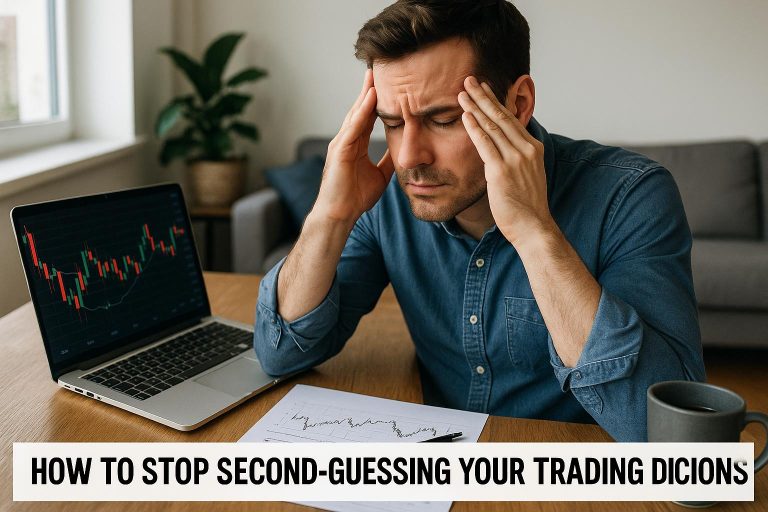
Understanding the Psychology Behind Second Guessing
The phenomenon of second guessing trading decisions is often rooted in behavioral biases. These biases, such as loss aversion and confirmation bias, can lead traders to doubt their choices. By understanding these psychological influences, traders can begin to mitigate their impact.
Developing a Robust Trading Plan
A clear and well-defined trading plan is essential for building confidence in your decisions. This plan should include various integral components that not only guide your trading strategy but also help in minimizing uncertainties related to market dynamics. Stability and clarity in your trading plan act as a huge advantage in navigating the often tumultuous twists in the trading environment. The following are some crucial elements involved in a solid trading plan:
Entry and Exit Criteria: Make sure that your plan specifies the conditions under which you will enter or exit trades. Having concrete criteria provides a clear framework for making decisions. It also establishes parameters that can prevent impulsive reactions to temporary shifts in market conditions.
Risk Management Strategy: Define how much capital you are willing to risk on each trade. Effective risk management is fundamental to safeguarding your investment and maintaining a balanced portfolio. By setting predetermined risk levels, traders can avoid excessive losses during unexpected market downturns.
Performance Benchmarks: Establish metrics to evaluate your strategy’s effectiveness, such as win/loss ratio and return on investment (ROI). These benchmarks not only offer feedback on your strategy’s success but also assist in identifying areas for refinement and improvement.
By adhering to a well-constructed plan, you can reduce the impulse to second guess decisions based on short-term market fluctuations. It provides a structured pathway to follow, reducing the likelihood of emotionally-driven decisions that could prove detrimental.
Utilizing Trading Journals
Maintaining a trading journal can provide valuable insights into your trading behavior. Recording each trade meticulously, including entries and exits, rationale, and the emotional state at the time of the decision, can pave the way for a nuanced understanding of personal trading habits. Analyzing this information helps identify patterns of second guessing and areas for improvement.
Journals offer a reflective tool that enables traders to look back on their decisions objectively. By doing so, you can assess the effectiveness of your decision-making process and strategies employed. Recognizing recurring issues or psychological blocks in your trading habits becomes easier, allowing for targeted strategies to address those specific challenges and enhance your trading competency.
Trusting Your Analysis
Confidence in your trading decisions often stems from thorough analysis. Utilizing a combination of technical and fundamental analysis can inform your trades with substantiated grounds rather than reliance on emotion or hearsay. A robust analytical framework supports evidence-based decision making, thus fortifying trust in your trading judgments.
Incorporate the following tips into your analysis process:
Technical Indicators: Utilize moving averages, RSI, MACD, and other tools to identify trends and potential trading opportunities. These indicators provide quantitative data points that enhance your understanding of market conditions, enabling precise entry and exit strategies.
Fundamental Research: Stay informed about economic reports, earnings results, and other news that may impact the markets. Comprehensive knowledge of external factors affecting the markets aids in anticipating shifts and making informed decisions ahead of time.
Deriving a decision from an informed perspective establishes a stronger foundation, diminishing susceptibility to uncertainty and second guessing.
Continuing Education and Reflection
To maintain a high level of competence, continually educate yourself about trading strategies, market trends, and economic factors. Engage in webinars, courses, and forums to keep updated. Resources like Investopedia and other educational platforms offer a wealth of information to enhance your understanding. Continuous learning fosters a mindset prepared to adapt and evolve with market dynamics, reducing hesitation caused by outdated knowledge or strategies.
Reflection on past trades, particularly those where second guessing occurred, will help determine the root cause and learn from these experiences. By acknowledging mistakes as part of the trading process, traders position themselves for continuous improvement. Embracing a willingness to learn from errors enables growth in trading proficiency, reinforcing the ability to make decisive, informed trading decisions.
By following a methodical approach, traders can minimize the tendency to second guess their decisions and enhance their overall trading performance. Through understanding behavioral biases, developing a structured trade plan, employing analytical tools, utilizing trading journals, and continually educating themselves, traders can cultivate an environment conducive to making confident and calculated trading decisions.
This article was last updated on: August 14, 2026