
Introduction
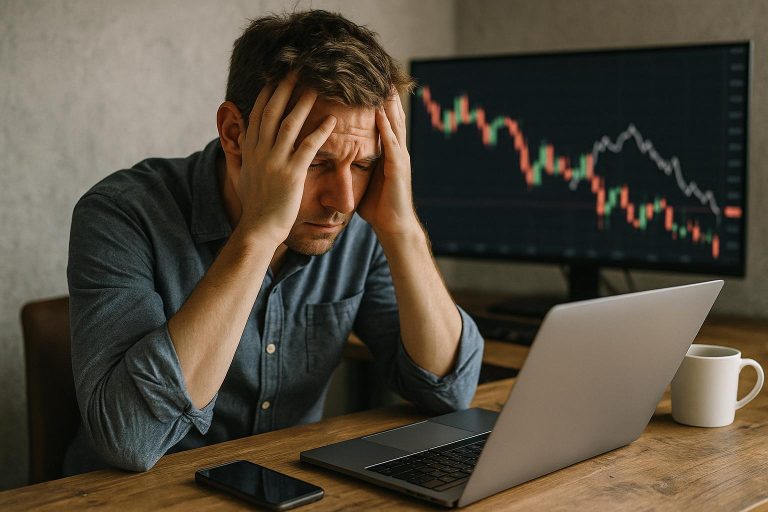
Experiencing a challenging week in trading can be a testing time, whether you are a novice or a seasoned investor. The financial markets are inherently volatile, and setbacks are part of the trading journey. Understanding how to effectively recover is crucial for long-term success. This document provides insights into steps to take following a difficult trading week to help regain focus and recalibrate your strategies.
Analyze Your Trades
One effective way to recover from a difficult week is by thoroughly analyzing your trades. This involves reviewing all aspects of your trading strategy and execution. It can be beneficial to assess which trades resulted in losses and why. Did emotions play a role in decision-making? Were the trades based on thorough research and sound data? These questions can offer essential insights into how to avoid similar situations in the future.
Self-reflection is a key component of trade analysis. Evaluating how personal biases, external pressures, or impulsive decisions may have clouded your judgment provides a learning opportunity. This form of introspection might reveal the underlying causes of irrational trading decisions, thus paving the way for more informed strategies.
Identify Patterns and Mistakes
Evaluate your trading log or journal to identify any recurring patterns or mistakes. Sometimes, traders fall into certain habits that lead to consistent losses. Identifying these can be the first step toward improvement. Recognizing trends in unsuccessful trades can guide you to adjust strategies or trading times, improving potential outcomes.
Additionally, contrasting successful trades against unsuccessful ones may unveil inconsistencies or overlooked factors. Pinpointing such elements can direct you to modify certain aspects of your strategy.
Assess Market Conditions
Consider the broader market conditions during the trading week. Was there significant volatility due to economic reports or geopolitical events? Understanding external market influences can offer perspective on performance. Market conditions can alter drastically in response to various stimuli, such as shifts in political landscapes, unexpected financial news, or global economic trends.
It’s essential to understand how these factors can momentarily or fundamentally change market dynamics, leading to atypical behavior. By knowing the external factors at play, traders can better anticipate similar future occurrences and prepare their strategies accordingly.
Take a Break
Once you’ve analyzed your trades, it is advisable to take a step back. Sometimes, stepping away from the markets temporarily can help clear your mind. Engaging in activities unrelated to trading can help in resetting your mindset. Detachment from the high-stakes environment can promote mental clarity, offering a fresh perspective once you return.
Engaging in physical activities can be particularly beneficial. Exercise not only relieves stress but also promotes mental health, offering a dual advantage. Alternatively, spending time on hobbies or with loved ones can provide the necessary distraction and nourishment for the mind, setting the stage for a more focused trading return.
Education and Skill Enhancement
A turbulent week might indicate a need for skill enhancement. Consider enhancing your knowledge through courses, webinars, or financial resources. Expanding your understanding of market analysis techniques and risk management practices can equip you with tools to navigate future market changes.
Further learning can also involve exploring new financial instruments or methodologies that align with your existing strategies. Deepening knowledge in specialized trading areas can introduce more advanced techniques, which may prove beneficial in complex market conditions.
Backtest Your Strategy
Before re-entering the market, backtest any updated strategies. Backtesting allows traders to test new approaches against historical data to evaluate their effectiveness. This practice helps reduce risk exposure by revealing potential strategy pitfalls before they can result in monetary losses.
Backtesting requires careful selection of historical data to mimic current market conditions as closely as possible. Analyzing these results can often lead to insightful adjustments, potentially converting an underperforming strategy into a strong, profitable one when it is deployed in real-time trading.
Review Risk Management Strategies
Reassessing and reinforcing your risk management strategies is crucial after a challenging week. This includes setting appropriate stop-loss levels and ensuring that your risk-to-reward ratio aligns with your trading goals. By protecting your capital, you position yourself better for future trading opportunities.
Risk mitigation strategies should not only be revisited following setbacks but also regularly reviewed as part of routine trading practices. Updating risk management tactics according to prevailing market environments helps stabilize trading performance and safeguard investment capital, thus promoting sustainability in trading practices.
Mental Resilience and Emotional Control
Trading demands mental resilience and emotional control. After facing a rough week, it is essential to work on these aspects. Practices such as mindfulness and stress management techniques can be valuable. Maintaining a balanced emotional state is critical for unbiased decision-making. Emotional turbulence often leads to reactive decisions, which may not align with long-term goals.
Cultivating mental resilience involves building a mindset resistant to the inevitable swings of trading outcomes. Engaging in mindfulness practices helps build emotional strength, assisting in making calm, reflective decisions based on data rather than emotions.
Community and Support
Connecting with a community of traders can provide support and diversified perspectives. Engaging in discussions with fellow traders or mentors might offer new insights or strategies to implement. These interactions can stimulate growth, foster shared learning, and encourage collaboration.
Being part of a trading community provides opportunities for mentorship and feedback, broadening a trader’s understanding of diverse strategies and market perspectives. Utilizing the experience of others can offer reassurance and confidence, essential for effective trading in complex market environments.
Conclusion
Experiencing a difficult week in trading is not uncommon, but learning from these challenges is essential. Analyzing trades, taking a break, enhancing skills, reviewing risk management strategies, and maintaining emotional control are pivotal steps for recovery. By systematically addressing factors contributing to underperformance, traders can enhance their potential for improved results in future trading endeavors.
Recovery from trading challenges demands a structured approach. This process not only strengthens existing strategies but also fosters personal growth and professional development. Therefore, embracing setbacks as learning opportunities can ultimately lead to enduring trading success.
This article was last updated on: July 31, 2026