
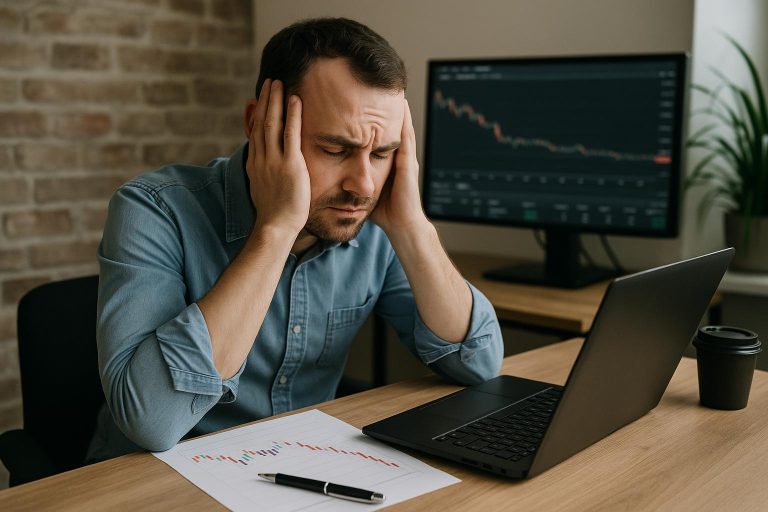
Understanding Slow Markets
In the trading realm, markets inevitably oscillate between periods of high volatility and phases characterized by sluggishness and stagnation. These slower phases, often referred to as ‘slow markets,’ pose unique challenges and opportunities for traders. During these times, there can be an inclination for market participants to push trades forcibly in hopes of maintaining financial performance or meeting activity metrics. Yet, the significance of grasping the quintessential nature of slow markets cannot be overstated, as it is pivotal in making judicious trading decisions.
Why Forcing Trades Can Be Detrimental
A pertinent concern when dealing with slow markets is the peril of forcing trades without substantial analysis or strategic planning. When market momentum dwindles, coercing trades can lead to suboptimal decision-making processes. Traders, engulfed by impatience or the erroneous belief that constant activity equates to productivity, often succumb to cognitive biases. Such rash decision-making is typically fraught with peril, leading to augmented risks and potential financial downturns. The allure of feeling “active” in the trading sphere might passively erode the foundations of sound trading methodologies, culminating in outcomes that disregard the strategic imperatives crucial for proficient trading.
Developing Patience
Patience emerges as an indispensable trait for traders, especially during prolonged market lulls. The acumen to discern when to act and when to refrain is fundamental to achieving long-term success in trading. It is imperative to comprehend the reality that not all market movements necessitate immediate trading interventions. An astute trader appreciates the value of waiting for opportunities that align with their trading strategy rather than capitulating to the temptations of minor market variances. In cultivating patience, traders fortify their capacity to engage with the market prudently, minimizing impulsive reactions.
Strengthening Analytical Skills
The cadence of a slow market engenders a fertile milieu for honing one’s analytical skills. This period can be judiciously employed to engage in in-depth analyses and develop well-grounded forecasts. By committing to analytical endeavors, traders stand to gain insights into future market movements, equipping themselves for prospective opportunities when trading conditions ameliorate. Enhanced analytical proficiency ensures that trades executed during more favorable conditions are rooted in comprehensive and robust data.
Focusing on Education
Alternative to impulsively executing trades, the sluggish phases of the market serve as an opportune time for pursuing further education in trading. Endeavors such as exploring new trading strategies, delving deeper into evolving market trends, or participating in specialized courses can significantly augment one’s trading dexterity. The pursuit of educational advancements leads to an enriched understanding of market dynamics and enhances a trader’s strategic toolkit, which can directly influence improved trading outcomes when the market dynamism resumes.
Utilizing a Trading Journal
In slow market conditions, the habit of maintaining a trading journal proves indispensable. By meticulously documenting historical trades, traders can elucidate discernible patterns and identify domains necessitating improvement. Analysis of past trades elucidates the internal rationale and external conditions affecting trading decisions, fostering self-awareness. This understanding assists traders in circumventing analogous errors in the future, especially when market conditions become ripe with opportunities.
Exploring Other Markets
In cases where the prevailing market does not afford promising prospects, another approach involves considering diversification into markets that exhibit higher levels of activity. Exploration of other financial arenas, whether new asset classes or geographical regions, can expand a trader’s horizon of opportunities. Nonetheless, it is critical to underscored that such exploratory diversification should not be undertaken hastily. A judicious path entails comprehensive research and strategic analysis to ascertain that this foray aligns harmoniously with the trader’s overarching strategy and risk management principles.
Reassessing Trading Strategies
Periods of market lethargy present a valuable opportunity to revisit and recalibrate trading strategies. This reflective interval can culminate in strategic alterations, ensuring that the current trading practices are congruent with the trader’s objectives and the gradually evolving market environment. Through critical reassessment, traders arm themselves with refined strategic insights, which ensures readiness to seize market opportunities adeptly when activity levels rebound.
In sum, the navigation of slow markets demands a nuanced understanding of their intrinsic dynamics. As outlined, a methodical approach incorporating patience, continuous education, and strategic refinement can significantly amplify a trader’s prospects for success. For further insightful resources on enhancing trading techniques and market insight, visiting prominent platforms like BabyPips or Investopedia is recommended, as they provide exhaustive guides that elucidate effective trading practices.
This article was last updated on: June 25, 2026