
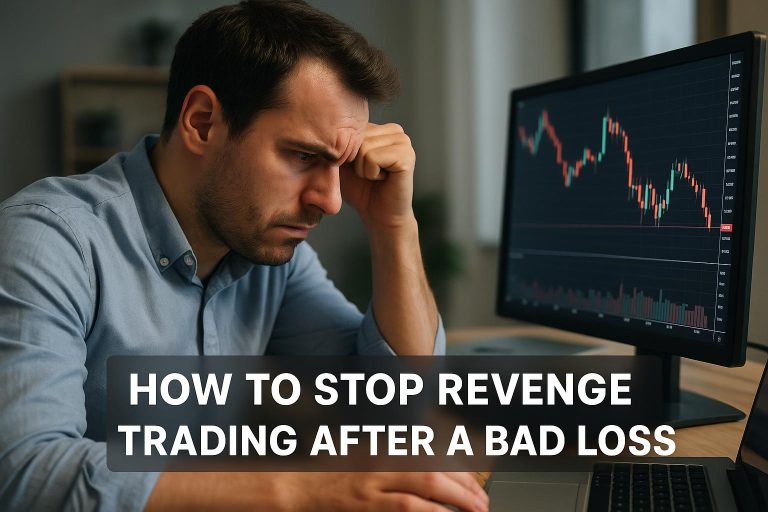
Understanding Revenge Trading
Revenge trading is a phenomenon that arises when traders attempt to recover previous losses by engaging in additional trades driven by emotion rather than strategy. This approach often exacerbates the initial losses, resulting in a downward spiral both financially and emotionally. Understanding the various aspects of revenge trading and how to counteract it is essential for maintaining financial health and emotional stability.
Identifying Revenge Trading
The initial and most crucial step in curbing revenge trading is to identify its presence. Awareness of the signs that you are trading out of emotion rather than logic can serve as the first line of defense against further financial losses. Several indicators can reveal the onset of revenge trading:
Impulsivity
One of the hallmark signs of revenge trading is impulsivity—making rapid-fire trades without thorough analysis or consideration of the market conditions. This approach often overlooks the comprehensive strategic process needed for informed decision-making and can lead to unpredictable outcomes.
Increased Risk
Individuals engaged in revenge trading tend to assume additional risks beyond what they would normally consider judicious. The motive here is to swiftly recoup losses, which often results in compounding those losses instead. Distinguishing between calculated risk and impulsivity is essential to restrain this behavior.
Anger or Frustration
When emotions such as anger and frustration become the impetus for trading decisions rather than well-reasoned analysis, it is a clear indication of revenge trading. Such emotional states can cloud judgment and lead to poor decision-making, intensifying the cycle of losses.
Setting Realistic Goals
To counter revenge trading, setting realistic and achievable trading goals is paramount. Instead of focusing on overturning recent losses immediately, traders should aim for gradual and consistent progress. Establishing smaller, realistic objectives aids in retaining a balanced perspective toward trading.
Implementing a Trading Plan
The creation and adherence to a predefined trading plan serve as a robust deterrent against revenge trading. A comprehensive trading plan generally encompasses several key components:
Entry and Exit Strategies
Knowing precisely when to enter or exit trades is vital. Clear criteria for entry and exit help avoid the pitfalls associated with impulsivity, thus reinforcing a disciplined approach to trading.
Risk Management
Setting strict limits on how much one is willing to risk on any given trade is crucial for maintaining composure and preventing emotionally driven decisions.
Regular Review
Periodic evaluation of your trading plan is essential, as market conditions continually evolve. Regular reviews allow traders to adapt their strategies to prevailing market dynamics and circumvent the temptations of revenge trading.
For more insights on creating effective trading plans, visit resources such as Investopedia.
Practicing Self-Discipline
Self-discipline is an invaluable asset in the realm of trading, acting as a bulwark against the detrimental fallout of revenge trading. Cultivating self-discipline involves adopting a perspective that values long-term prosperity over transient gains. Techniques to reinforce self-discipline include:
Mindful Trading
Maintaining presence and focus during trading sessions mitigates the likelihood of impulsive decisions. Mindfulness enables traders to ground their actions in rational thought processes rather than emotional reactions.
Emotional Awareness
A continuous assessment of one’s emotional state is necessary. Recognizing when emotions begin to negatively impact decision-making is crucial. Taking breaks when such emotions surface can prevent hasty decisions.
Patience
After encountering significant losses, granting oneself the patience to recover, both financially and emotionally, is vital. Rushing to re-enter the market out of an urgency to recoup losses often results in further setbacks.
Seeking Support
Incorporating supportive networks into your trading practice can provide indispensable perspectives and encouragement. Participation in trading communities or seeking insights from mentors offers opportunities to share experiences and acquire knowledge from seasoned traders. Engaging with a supportive community fosters growth and helps maintain discipline.
Conclusion
Revenge trading represents a formidable challenge that can impede a trader’s progress. However, the establishment of clear, realistic goals, adherence to a well-constructed trading plan, the practice of self-discipline, and engagement with supportive networks are effective strategies to counteract this tendency. Ultimately, the key to successful trading lies in achieving sustainable long-term growth rather than chasing immediate profits. Understanding the detrimental implications of revenge trading is the first step toward fostering a disciplined and strategic approach to trading.
This article was last updated on: July 10, 2026